Education in Spain: the options for relocating families
For families weighing a move to Spain, the schooling question comes quickly to the top of the list. We explore the schooling options with tips and advice from experts on the ground.
How does education in Spain work?
Since 2021, Spain’s education system has been updated, making Spanish schools more inclusive, modern, flexible, and supportive. This directly improves how expat children integrate academically, linguistically, and socially.
Under Spanish law, education is compulsory for children between the ages of six and 16. Responsibility for it is shared between the national government and the country’s 17 autonomous communities, or regions. There are three types of school:
- State schools: which are free to attend
- Concertados: are privately owned and run, and may be secular or non‑secular. Tuition is subsidised by the government but families typically pay monthly contributions.
- Private schools: these include international schools and are fully fee‑paying.
Parents’ choice of schooling path depends on their child’s previous educational experience and how long they plan to stay in Spain.
“Families who move frequently from one country to another during the children’s school years tend to stick to an international school following a specific country’s curriculum … so that the children will have some degree of educational continuity regardless of location.” – Beatriz Carro de Prada of BRS Relocation Services
Families planning to live in Spain for several years may prefer to enrol their child in a local Spanish school. Those expecting to return to their home country after a shorter stay might choose to give their children the experience of spending a year in the Spanish system, or instead continue with the same type of programme they were following at home. A school offering an internationally transferable programme of study, such as the International Baccalaureate (IB), can also be a good option for families seeking educational continuity.
State schools in Spain
The primary stage (Educación Primaria) lasts six years from ages 6–12. This is followed by four years of compulsory lower‑secondary education known as ESO (Educación Secundaria Obligatoria, for ages 12–16). After ESO, students can progress to the non‑compulsory upper‑secondary stage where they can study either for the Bachillerato (two years, university‑preparatory) or Formación Profesional (vocational training).
Comparable to the UK’s A Level and the International Baccalaureate, the Bachillerato is a requirement for university entrance. It is studied over two years and consists of two parts, a core curriculum of compulsory subjects and a specialist curriculum with a choice of ‘branches’, including science and engineering, humanities, social sciences, and performing arts, music and dance.
Entry to state (and most concertado) schools is governed by regional points‑based systems where proximity to the school, siblings already enrolled, and certain family circumstances carry significant weight.
Application windows are typically spring (March–May) for a September start. Mid‑year moves can be assigned through a regional commission to where space exists. Plan early if you’re arriving in summer.
International schools in Spain
The largest clusters of international schools are in Madrid, Barcelona and along the Mediterranean coasts, but there are also reputable options in most major cities. Spain’s IB footprint has expanded dramatically: there are now around 250 IB World Schools in Spain.
Madrid
Long‑established groups continue to evolve. The Kings Group has three schools in Madrid, catering for children from nursery to secondary. Founded in 1969, the group offers the English national curriculum through to IGCSE and gives Sixth Form students a choice of A-levels or the IB Diploma. King’s College Soto de Viñuelas offers both day and boarding options.

Kings College, Madrid
Andalusia & the South
Andalusia is recognised as a premier region for international education in Spain due to its high concentration of top-tier British and international schools, particularly along the Costa del Sol.
Sotogrande International School (SIS) is a leading IB day and boarding school in Cádiz, offering a personalised, English‑medium education to students from over 50 nationalities. Its innovative, technology‑rich learning environment and outstanding facilities support academic excellence and global‑mindedness from early years through the IB Diploma.
SIS is a major draw for relocating families seeking educational continuity, cultural diversity, and a high quality of life in southern Spain. A specific benefit to SIS is the proximity to Gibraltar, where many international companies are based, providing students with fantastic links and opportunities to work and travel with them around the globe.
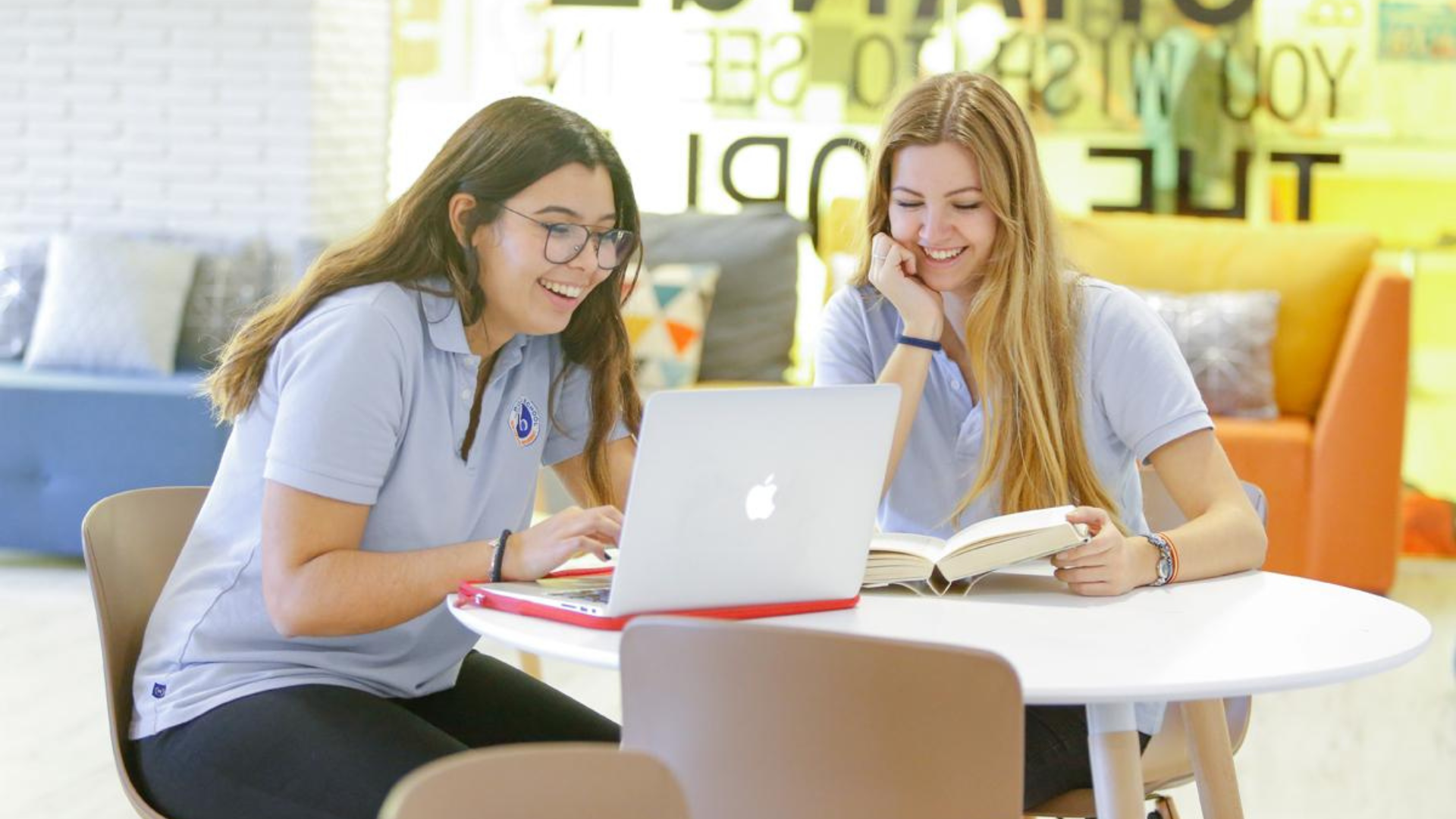
Sotogrande International School
Embracing the Spanish culture
Spain’s outdoor lifestyle, climate and community life are big draws for families. International schools often act as bridges into the local culture, combining instruction in English (or another foreign language) with Spanish language learning, local history and cultural activities. At the same time, Spain’s public system offers bilingual and language‑assistant programmes that increase exposure to English and other languages for families opting for local schools.
In Catalonia, note that public and concertado schools operate a language immersion model with Catalan as the normal vehicular language and Spanish as a curricular language, although the exact regulatory balance has been litigated in recent years (a 2024 decree to strengthen Catalan was suspended and then partly annulled by the regional High Court in 2024–25). Families should review each school’s projecte lingüístic (language plan).
Advice when Applying for Schools in Spain
Whichever school route you are aiming for, start early, and shortlist by system. Choose housing with admissions realities and catchment zones in mind. If you want a public or concertado place, aim for the spring admissions window and get your NIE (foreigners identification number) and empadronamiento (proof of address) documents ready. If you need continuity or a late‑summer start, shortlist private/international schools and apply 6–12 months in advance.
For international schools the high numbers of foreign residents have put exceptional pressure on international schools in Spain, where places have become scarce in recent years. To ensure places at their preferred school, planning as far ahead as possible, ideally with help from relocation experts with local knowledge, is vital.
“Timing can be a major challenge for parents, as schools in Spain have a very strict calendar of holidays in the summer and winter, dates during which it is very difficult to contact them. Finding a middle ground between school location, home location and work can also be a challenge, as multinational companies don’t always base themselves in the same areas as the international schools.” – Beatriz Carro de Prada of BRS Relocation Services
Relocating parents should look for a school that provides ‘welcome’ sessions designed to help students and their families forge connections as early as possible. Very practically, as you finalise your shortlist, it is important to map commute times, school‑bus routes, and local traffic patterns, as congestion and limited parking near many schools—especially in major cities—can significantly affect daily routines.
Important facts about school life in Spain
-
- School calendar – terms & holidays
Each autonomous community sets its own calendar. Broadly, the year runs early September to mid/late June, with major breaks at Christmas (late Dec–early Jan) and Easter (late Mar/early Apr); summer is long (≈10–11 weeks). Check your region’s official calendar each spring. - The school day – two common models
Spain uses two timetables: jornada continua (continuous morning, typically ~08:30/09:00–14:00) and jornada partida (split day, morning + afternoon with a long lunch). The balance varies by region and by school type (continuous is more common in many public primaries; split days are frequent in concertados/private). Always confirm hours and lunch supervision (comedor). - Languages of instruction
In most of Spain, public schools teach in Spanish (Castilian), often with bilingual sections in English or other languages. Regions with co‑official languages (Catalonia, Basque Country, Galicia, Valencia) use the regional language as a main medium of instruction. This is a key variable for families aiming for Spanish‑only schooling. Many regions run broad bilingual programmes (e.g., Madrid) and/or host language assistants through national schemes that support English in classrooms. - Admissions timing & documents (public/concertado)
Expect open days from late winter and applications in March–May for September intake. Priority points reflect proximity (padrón), siblings, and other criteria. Mid‑year arrivals are handled by a regional placement office. Keep passports/NIE, empadronamiento, vaccination records and prior school reports handy. - Costs to plan for
Even in the public system, families should budget for books, materials, meals, clubs and school trips, as tuition‑free does not mean cost‑free. Concertado schools add monthly “contributions” (often €50–€200+), alongside uniforms, lunches and other fees that vary by region and by school. International schools represent the widest cost range (roughly €7,000–€25,000+ per year before extras), and families should also plan for registration fees, transport, meals, uniforms, exam fees and any learning‑support charges. In all cases—public, concertado or international—request a full written fee schedule before committing. - Cultural rhythms
Families new to Spain notice later daily schedules, longer lunches, frequent long weekends (puentes) and strong community life around sport, music and local fiestas. International schools often mirror these rhythms while running familiar curricula; public/concertado schools anchor families in the local neighbourhood and language quickly. Term length and holiday clustering mean planning childcare and camps early—especially for the long summer. - Places & wait‑lists
The continued rise in international inflows keeps pressure high on top international schools in Madrid/Barcelona/Costa del Sol. Early applications and deposit timelines are the norm; new arrivals in late summer may face wait‑lists.
- School calendar – terms & holidays