Relocating to Dubai: What Global Mobility Professionals and Employers Need to Know
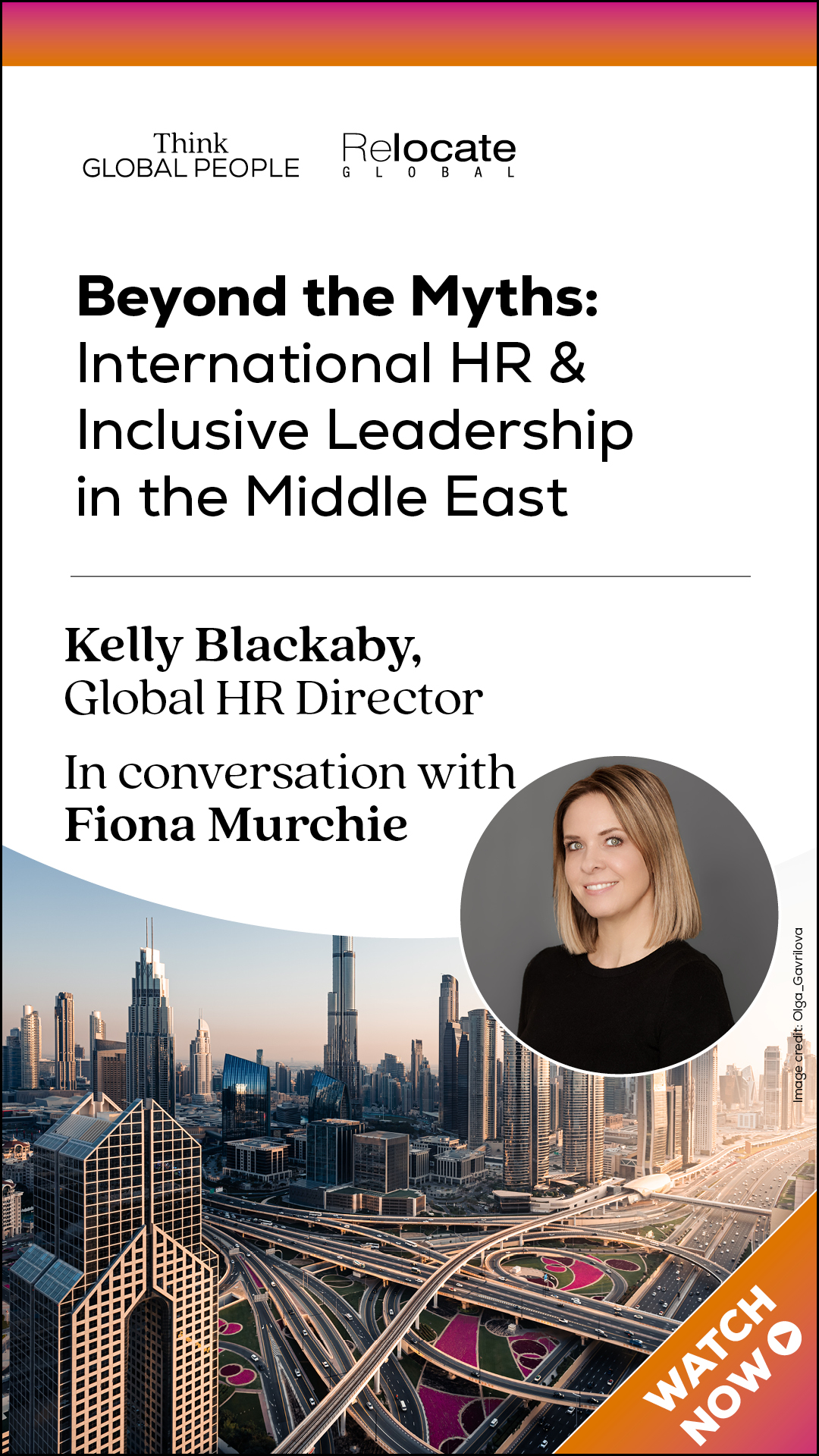
However, relocating talent to Dubai, especially families and dual-career households requires thoughtful planning. In a recent webinar, Beyond the Myths: International HR & Inclusive Leadership in the Middle East, Regional HR Director Kelly Blackaby shared insights into professional expectations and what global employers need to know to successfully support their international workforce.
This article draws on those insights to outline the benefits and challenges that employers and internationally mobile professionals face as they prepare for life and work in Dubai.
Relocation Packages to Dubai : How they are Changing
Dubai is often imagined as a place where expatriates enjoy generous salary and lifestyle benefits. Historically, this reputation was accurate, but today, compensation structures are changing.
According to Blackaby, “many offers now exclude housing, schooling and travel allowances, even though living costs are rising rapidly in the region.”
The primary driver is supply: Dubai is attracting large numbers of globally mobile workers, with over 1,200 people moving to the city every day, reshaping housing markets, schools and infrastructure.
As traditional relocation perks are no longer guaranteed, companies need to support employees to understand costs. To attract the best talent, employers need to ensure packages are competitive and transparent, with clear details on allowances and benefits. Employers including options such as cost-of-living allowances, relocation stipends, or schooling subsidies can significantly improve attraction and retention.
Relocating to Dubai with a Family: Schools, Childcare and Other Considerations
Relocation to Dubai is possible for families, but there’s a lot to consider and it’s certainly not frictionless. Blackaby notes that dissatisfaction among spouses and children is a leading cause of assignment failure, meaning companies must think beyond the employee.
Relocation support must be holistic, not just about the employee, but also the entire family unit”
Kelly Blackaby, Regional HR Director
Key considerations for families with children include availability of school places and cost of school fees and childcare.
On the plus side, Dubai’s private schooling sector is expanding fast, with elite international brands entering the market. Blackaby highlights that “Dubai now has its first boarding schools and reputable brands like Repton and Harrow moving into the region.”
The development of the education sector reflects growing long-term settlement, the rising demand for quality international education and the region’s maturation into a global talent destination.
That said, families should be aware that competition for school places can be intense, and fees, especially at the most prestigious institutions are high. Location is also a key consideration, as the distance between home, school, and the workplace can significantly impact daily life due to heavy traffic.
There are, however, alternative pathways worth exploring, such as homeschooling or online learning. For example, King’s InterHigh Online School UAE provides a high-quality British curriculum aligned to the local Gulf Standard Time. Students across the Middle East can study towards International GCSEs, A Levels, or the IB Diploma, supported by expert British teachers who help prepare learners for future success.
Looking for schools in Dubai? Check out Think Global People’s Featured Schools located in Dubai including Dwight School and the Arbor School (seen below).
Watch the webinar : Beyond the Myths

Dual-Career Couples and Spousal Employment in Dubai
As the cost of living rises and globally mobile households evolve, dual-career couples have become increasingly common. This shift is driven by both cost of living and personal aspiration: many accompanying partners want to contribute professionally or participate in Dubai’s growth.
People want to be part of the growth that’s in the region, so they’re looking for where they fit within that,”
Kelly Blackaby, Regional HR Director


Work Flexibility: Hybrid, Remote and Flexible Models
Working patterns in Dubai can differ significantly from those in employees’ home countries, with longer hours and congested commutes that can be particularly challenging for newly relocated professionals. These factors can impact retention, so employers and globally mobility professionals both need to be clear about their expectations regarding flexibility working hours, and support for work–life integration.
The good news is that Dubai’s working culture is evolving, driven by generational expectations and talent competition. While some sectors like education require on-site roles, others are increasingly open to hybrid and remote models.
“Companies are offering flexible working arrangements, hybrid working and remote working,” Blackaby said. “Even industries that previously couldn’t are now exploring what’s possible.”
Flexibility matters for both employers and employees as commuting times can be long due to congestion. Employers are recognising somebody spending five days a week traveling to the office could spend that time more productively.
Dual-career couples and families often need flexibility and hybrid work helps retention. In line with this, employers that embrace flexible models can access a larger, more diverse talent pool and reduce turnover.
Diversity, Inclusion, and Cultural Adjustment
Diversity and inclusion are increasingly recognised as strategic priorities for employers across the region, with a particular focus on improving gender representation at senior levels. It’s safe to say women may find accepting a role in Dubai and other countries in GCC challenging. However Blackaby notes:
“We’re seeing great progress in the Middle East around gender equality, and neurodiversity inclusion as well. There’s been great progress made for women stepping into legal leadership positions, and also growing awareness of how to support neurodiversion learners and staff in the workplace as well.”
Employers should provide training to help relocating employers understand cultural nuances. This may include awareness of hierarchy, religious practices, indirect communication styles, and broader social customs. Helping new hires to navigate this, not just within their new workplace, but also their new community is key to a successful transition.
Blackaby explains “Peer mentoring and clear communication makes such a difference to new hires. Cultural onboarding is essential.”
Aligning Employee Benefits with Dubai’s Economic Transformation
Economic plans such as Dubai’s D33 agenda are reshaping labour markets. These initiatives require companies to balance national hiring mandates with international expertise. In response, organisations are increasingly tailoring employee benefits to support localisation strategies, develop national talent, and improve retention across both local and international teams.
Blackaby highlights that rewards are being personalised according to employee demographics and life stages; for instance, younger employees may prioritise different benefits to colleagues with families. Employers are therefore exploring more flexible working arrangements, such as remote and hybrid working as well as initiatives that support professional growth and work–life balance.
For local and junior hires, clear career pathways, visible opportunities for development and a sense of contribution to the organisation are key drivers of engagement and retention. As an example, many companies that once relied on annual performance reviews are now adopting more frequent check-ins, providing regular feedback and motivation and ensuring employees feel supported and valued throughout their progression.

Artificial intelligence is reshaping how schools prepare young people for a world in which automation, connectivity and computational intelligence are ubiquitous. The fear that AI will lead to widespread cheating and leave young people outperformed by robots is slowly diminishing. Forward-thinking schools are centering human skills, ethical literacy, creativity and innovation at the heart of their AI strategies.
Key Takeaways for Employers and Global Mobility Professionals
To succeed in Dubai, organisations need to rethink mobility strategies. The following are key aspects that employers should prioritise and professionals should consider when evaluating opportunities:
- Packages that are competitive and transparent
- Holisical support for families and spouses (not just employees)
- Spousal support for dual-career pathways
- Help with understanding education demand and costs
- Packages that offer flexible and hybrid work
- Investment in inclusive leadership and cultural onboarding
- Alignment with localisation and national workforce goals
Relocating to Dubai can be transformative for employees and organisations alike. The region’s growth is reshaping global mobility, talent strategies, and HR capabilities at unprecedented speed.
There are challenges, from rising costs to cultural transition but there is also immense opportunity.
As Blackarby advises:
“If you get the opportunity to live and work in a different country, take it… it gives you such a rich experience.”
For employers and global mobility professionals alike, Dubai represents not just a career move, but a chance to be part of one of the world’s most exciting economic transformations.